The Untold Truth of Mickey Callisto’s Glitter-Soaked Retro-Futurist Pop Persona
By Olivia Zamora
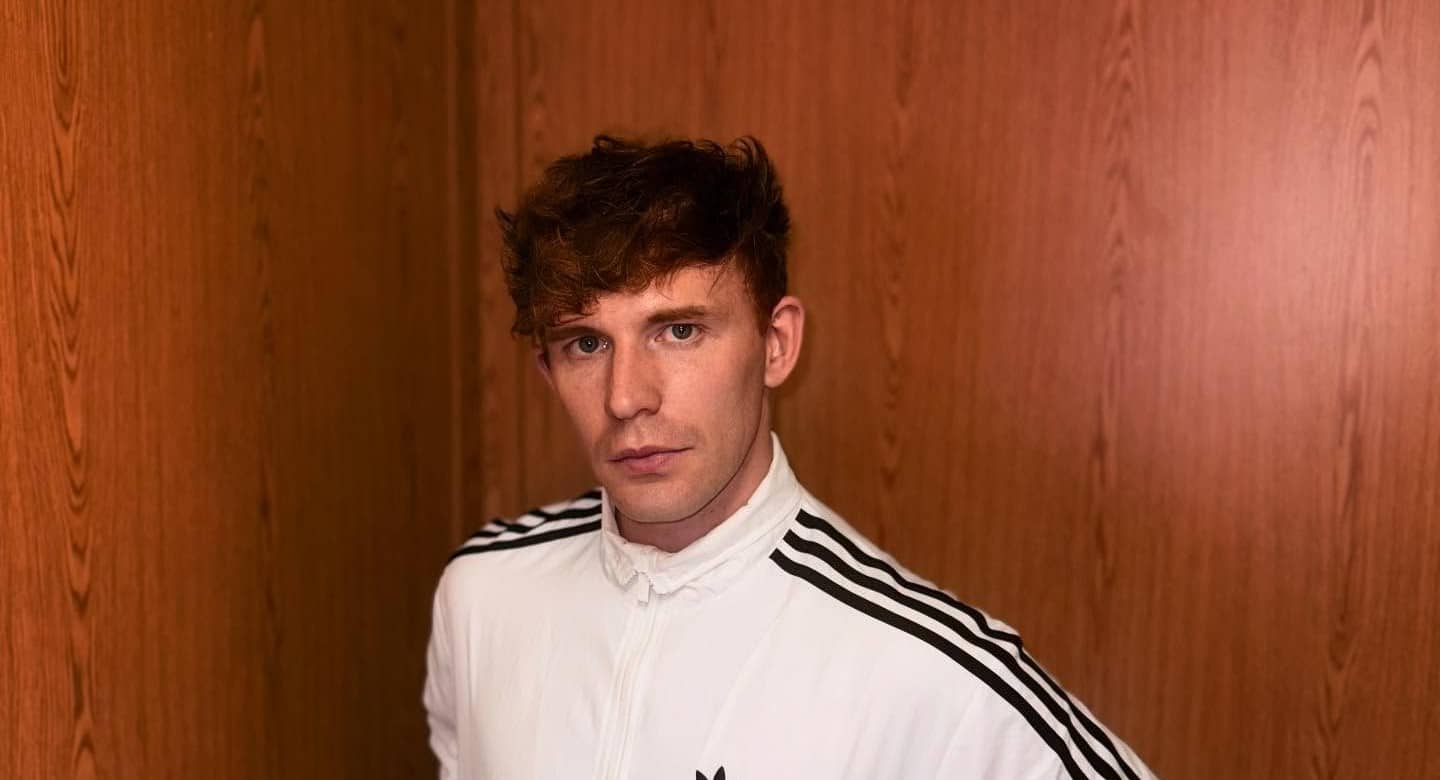
Mickey Callisto is an up-and-coming indie pop sensation known for his glitter-soaked, retro-futurist alter ego that blends 1970s glam theatricality with space-age synth-pop. To uncover the untold truth behind this larger-than-life persona, we dig into Mickey’s origins, underground rise, artistic ethos, industry challenges, and the media myths surrounding him. (Note: Much of the information comes from indie press interviews and fan-curated sources – valuable for insight, though not all are from traditionally authoritative outlets.)
Origins & Persona Construction
Humble Beginnings and a Galactic Alter Ego: Mickey Callisto was born Michael Spence in Sunderland, England, growing up on a working-class council estate. From an early age, music was his passion. He fell in love with classical singing as a child – by age seven he was teaching himself opera, inspired by the Durham Cathedral choristers. (He even earned an offer to train as a cathedral chorister, but his family couldn’t afford the fees.) When puberty hit and his voice changed, young Michael’s classical path closed, but a new inspiration emerged: Queen. At 14, his school staged the We Will Rock You musical, and in preparation he looked up Queen’s music – a discovery that changed his life. He became enthralled by the flamboyant brilliance of Freddie Mercury, who became a personal hero and “gateway” to other legendary rock frontmen like Mick Jagger and Robert Plant. This period planted the seeds for the persona he’d later construct.
Crafting “Mickey Callisto”: Around that same mid-teen time, Michael conceived an alter ego that would allow him to fully embrace a theatrical pop identity. He was fascinated by outer space – particularly Jupiter’s moon Callisto – and at 14 he coined the stage name Mickey Callisto as a tribute to the cosmos. He would sketch out this character in notebooks, envisioning a glittery, space-themed pop star far removed from everyday Sunderland life. The persona was about more than a cool name; it was an aspirational identity where he could “separate the ego from the self” and freely express himself on stage. (In fact, Mickey has described himself as a “self-aware beacon of positivity” whose mission is celebrating being yourself in the purest form – a guiding principle of his persona.)
Influences: Glam, Psych, and Queer Nightlife: Mickey’s artistic DNA draws from a kaleidoscope of eras and genres. The 1970s glam-rock spirit is evident – not only via Freddie Mercury’s influence but also the camp theatricality of artists like Elton John (whom he channels in some songs) and the sci-fi rock eccentricity pioneered by David Bowie’s Ziggy Stardust (an influence implied in his cosmic theme). He also absorbed the modern lo-fi psychedelic pop of acts like Mac DeMarco and Tame Impala, experimenting with woozy synths and dreamy production in his teens. At university in Manchester, he even joined a psychedelic rock band (cheekily named The Indica Gallery) as a keyboardist. However, Mickey yearned to be a solo star and struggled at first to find a unique sound outside the band.
A turning point came in 2019 during a night out in Manchester’s underground club scene. Mickey attended his first rave at The White Hotel, an avant-garde nightlife venue, for an Italo-disco themed party – and it proved “life-changing”. In true flamboyant fashion, he showed up in a shiny £30 ski suit he’d thrifted (a “terrible choice for a rave,” he later laughed). But amidst the pulsing Italo-disco beats – those lush 1980s-style synths and cosmic disco grooves – Mickey had an epiphany: “I remember hearing the music around me and decided that’s what I want my music to be, and to make people feel the way I felt at that rave,” he recalls. From that night on, he began blending retro synth-pop nostalgia into his sound, fusing it with the classic rock and choral influences he already loved.
The Persona Takes Shape: Armed with this new inspiration, Mickey spent the COVID lockdown honing his craft. He wrote a batch of songs and taught himself music production at home, literally a DIY pop star in the making. These songs, created in his bedroom on synths and a computer, would later form the basis of his high-concept debut EP. He also used this time to refine the Mickey Callisto image – a glittery, retro-futurist showman who dresses in everything from athletic wear to outlandish costumes. (Mickey’s real-life love of sports and football influences his stage wardrobe; he often wears sporty outfits like brightly colored tracksuits or boiler suits, combining masculine streetwear with glam flair.) By the time live music returned, Mickey had fully “become” Mickey Callisto – an astronaut of pop ready to blast off. As one profile put it, he arrived as “a new kind of popstar” delivering “psychedelic, bedroom-made synth-pop bangers” with a fresh, egoless positivity.
Rise Through the Underground
Mickey Callisto’s journey from obscurity to buzzworthy indie act has been a grassroots, community-driven climb. Rather than an overnight industry plant, he built his following step by step in true DIY fashion:
- Grassroots Gigging: After lockdown, Mickey hit the small venues circuit, especially in his adopted hometown of Liverpool. His early shows – often self-organised or on local bills – earned a cult local following. In Liverpool he sold out intimate gigs, becoming a “cult figure” in the city’s underground pop scene. Word spread that his live show was something special, with Mickey honing a reputation for mesmerizing stage presence in even the tiniest clubs. Local fans rallied around his flamboyant persona, forming the first layer of a grassroots fan network.
- Festival Breakouts: Mickey’s breakout moment among indie tastemakers came at new-music festivals. At the 2026 Dot to Dot Festival, for example, he delivered an utterly captivating set. Reviewers noted that “from the get-go he was a natural-born showman destined for big things,” commanding the stage with the charisma of a star. In a day filled with up-and-coming acts, Mickey’s performance was singled out as a highlight – proof that his larger-than-life act could leave a mark on fresh audiences. (He was even included on The Great Escape festival’s LGBTQ+ artist spotlight that year, underscoring his growing profile in the queer pop circuit.)
- Support Tours and Collaborations: As buzz grew, Mickey earned slots opening for more established artists. In 2026 he embarked on a “whirlwind European tour” supporting Irish indie-pop star CMAT, playing to CMAT’s crowds across the continent. He also shared stages with viral pop acts like Rebecca Black (of “Friday” fame). These support gigs helped Mickey refine his big-crowd skills and exposed him to new listeners. “The bigger the crowd the better the reaction, as I feed off the crowd’s energy,” Mickey said, exuding the confidence of a born performer. “No crowd is too big – even if I played Wembley Stadium right now I would smash it”. That might sound like bravado, but it’s backed up by his ability to win over audiences wherever he performs.
- Radio & Online Buzz: By late 2026, Mickey’s music was getting industry nods despite being independently released. Influential DJs at BBC Radio 1, Amazing Radio, and Radio X began to champion his tracks, signaling that Mickey was “a force to be reckoned with” even without major-label backing. Online, he leveraged social media – posting performance clips on TikTok and YouTube – to amplify his persona. His quirky, glittery videos fit right into the algorithmic slipstream of Gen-Z music discovery, attracting thousands of views. One early original song, the spacey glam ballad “Lost in Space,” dropped in 2026 and introduced listeners to his synth-driven, escapist style. Though still a niche artist, he grew a dedicated online fan community that swapped videos and memes, helping build mystique around Mickey Callisto.
- Debut EP (and Lessons in DIY): In November 2026 Mickey self-released his debut EP Homospace, a 6-song concept record recorded and produced entirely in his bedroom. (He released it via Ripe Records, a small independent Liverpool label.) The EP flew under the mainstream radar – a fact Mickey later candidly acknowledged. According to one source, Homospace “failed commercially”, garnering only modest streaming numbers. But artistically, it was an ambitious statement that laid the groundwork for his cult appeal. The EP imagines “a gay nightclub on the moon,” complete with shimmering disco, psych-rock guitars, and 80s synth-pop flourishes. Critics in the indie blogosphere actually loved it: “a fantastic, high-concept debut…a joyful, imaginative orbit around some ambitious planetary pop,” praised one review, calling Mickey “an enigmatic, commanding presence on stage” and “a showman” with “superstar potential”. While those reviews came from smaller outlets (not major magazines), they indicate that Mickey was making waves among those plugged into new music.
- Britain’s Got Talent Breakthrough: In 2026, Mickey made an unconventional move for a DIY artist – he auditioned for Britain’s Got Talent (BGT), the massive TV talent show. At 28 years old, still working by day in an O2 phone shop to pay the bills, he saw BGT as a shot at turning music into his full-time career. And indeed, his audition made quite a splash. Mickey strutted on stage in full glam-pop glory and belted out Queen’s “Who Wants to Live Forever.” The judges and audience were stunned; for a moment, it was like Freddie Mercury had walked in. “I was like, is this Freddie or is it Mickey? – but whatever it was, it was sensational,” gushed judge Alesha Dixon. Simon Cowell praised Mickey’s crowd appeal and “great personality,” predicting “people are going to like you”. He was promptly voted through, and by the time his televised audition aired, Mickey’s performance clip was making rounds on the internet. The BGT stage gave him exposure to millions of viewers, vastly expanding his fanbase overnight. He advanced to the semi-finals of the show (Series 18), further showcasing his powerhouse vocals with another Queen anthem (“Somebody to Love”) complete with a troupe of dancers. While he ultimately didn’t win the competition, BGT vaulted Mickey Callisto from underground cult act to national recognition. (Notably, behind the scenes Mickey fought to perform one of his original songs on the show, but producers insisted he stick to Queen covers – a decision that would later fuel some controversy, as we’ll see.)
- Viral Flashmob Stardom: Mickey’s most explosive rise in fame came in mid-2026 from a completely different avenue – a viral flash mob. In September 2026, he participated in a spectacular flashmob performance of Queen’s “Bohemian Rhapsody” on the streets of Paris, organized by French pianist Julien Cohen. Mickey was the lead vocalist for the 30-piece ensemble (which also featured 11-year-old guitar prodigy Olly Pearson, a fellow BGT alum). In true theatrical fashion, Mickey arrived at the Paris flashmob in a horse-drawn carriage and then proceeded to belt out the operatic rock epic in full Freddie-esque grandeur. The surprise performance “took the internet by storm,” racking up astonishing view counts. Within days, clips of Mickey leading Bohemian Rhapsody went wildly viral on X (Twitter), Instagram, and TikTok – over 200 million views in the first 3 days, and over 500 million views across platforms shortly after. Global media picked up the story: one outlet dubbed him the “Mackem Mercury” (a nod to his Sunderland roots and Freddie mimicry) as the video spread worldwide. The flashmob’s sheer scale and joy resonated with a mass audience hungry for feel-good content. Mickey’s performance was widely praised – commenters said Freddie himself would give a standing ovation, calling the spectacle “the most INSANE Bohemian Rhapsody flashmob you will ever see!!”. For Mickey, it was a game-changer: “The video has been huge,” he said, describing how his inbox “exploded with hundreds of messages and gig requests all over the world – from Singapore to Amsterdam”. Even Queen’s official social media account gave its seal of approval to the stunt. In a flash, Mickey Callisto’s name had reached far beyond the UK indie scene, proving that his DIY persona could captivate a global audience given the right moment.
Through these stages – from scrappy bar gigs to festivals to reality TV and viral videos – Mickey has navigated an unusual path to fame. In many ways, it mirrors other modern DIY artists who hustle through every avenue available: building a loyal fanbase online and offline, courting virality, and seizing opportunistic platforms like talent shows. His rise shows the power of a distinct persona in “breaking through the noise.” In an era where algorithms favor short-form hooks, Mickey bet on spectacle and authenticity – and it’s paying off as he carves out a unique niche in the indie pop cosmos.
Artistic Ethos & Cultural Resonance
Mickey Callisto performing live in one of his signature flashy outfits, delivering a high-energy set that blurs the line between rock concert and theatrical show. His stage persona – complete with glam costumes and dramatic flair – embodies the ethos of joyful self-expression and camp extravagance that defines his art.
At the heart of Mickey Callisto’s appeal is an artistic ethos centered on liberation – of identity, expression, and imagination. Everything about Mickey’s music and visuals carries messages of positivity, inclusivity, and escapist fantasy:
- Queer Identity & Gender Fluidity: As an openly queer artist, Mickey consciously challenges norms around masculinity and identity. On stage, he embraces an androgynous, flamboyant style – glitter makeup, colorful jumpsuits, nail polish, occasionally even a touch of drag-esque costuming. It’s a deliberate throwback to glam-rock icons who played with gender presentation. In today’s context, Mickey’s campy theatrics push back against the cookie-cutter machismo often seen in male pop performers. He encourages people to live authentically: “Regardless of what you identify as – it shouldn’t matter – the music is all about being all-accepting and celebrating everyone’s differences without the need to label,” Mickey explains. His song “Homospace” even plays on the word “homo,” reinterpreting it to mean “we are all the same” and should unite. This ethos of unity and pride in one’s true self resonates strongly with LGBTQ+ audiences and allies. Fans in queer communities have taken notice – Mickey often gets messages thanking him for being a positive, gender-bending role model. Yet he’s careful not to box himself in: “I don’t want to be put in the category of my music being just for queer people – it is for everyone, of all walks of life, to express themselves freely,” he says. In an industry that sometimes tokenizes queer artists, Mickey’s stance is that his music’s message of self-love and freedom is universal.
- Camp Theatricality & Escapism: From the moment Mickey strides on stage and asks, “Hello [crowd], are you feeling weird?”, you know you’re in for a show. He delivers not just a concert but a campy theatrical experience. Reviewers frequently compare his stage presence to Freddie Mercury for good reason – like Freddie, Mickey doesn’t just sing; he performs with grand gestures, banter, and audience interaction. At a recent small-venue gig, “he fully channelled the spirit of the late-great Freddie Mercury. It’s a stadium-sized show in the smallest space possible and it’s thrilling to witness,” one reviewer marveled. Mickey uses flamboyant props and dramatic lighting; he’ll drop to his knees mid-song, strike rock-god poses, or dance with wild abandon in his sequined outfits. There’s a deliberate element of camp – an almost tongue-in-cheek celebration of excess – in numbers like the disco-rock romp “Homospace,” which he delivers with a wink and a grin. By inviting an audience member on stage to “air-guitar” with him, or dedicating a saucy song to someone’s birthday, Mickey creates a communal, celebratory vibe that recalls the free-spirited queer nightlife scene that inspired him. His shows feel like safe spaces where “being weird” is encouraged and everyone can let loose. This escapist, joyful atmosphere is very much by design: “My live performance will be flamboyant, energetic and real,” Mickey promises. “It’s about performing with the audience and not to them, and giving them a moment of escapism to feel empowered”. Fans have described his concerts as cathartic experiences – a place to forget the outside world and revel in a glittery fantasy for a while. In an age of often minimalist, cool-toned pop imagery, Mickey’s unabashed campiness stands out as a refreshing blast of color and positivity.
- Themes of Fantasy and Unity: Mickey’s music itself reinforces these messages. He’s a conceptual songwriter who loves storytelling and metaphor. The entire Homospace EP, for instance, is set in a fictional nightclub on the moon – a literal escape from Earth where misfits and outsiders can find freedom and unity. In the song “Homospace,” he paints a vision of a “cosmic utopia where humans can find complete freedom and unity”. It’s a euphoric dance-pop anthem that one reviewer said “draws comparisons to Frankie Goes To Hollywood’s iconic ‘Relax’” – eminently danceable, but with a subversive queer edge. Mickey often uses space and sci-fi imagery (rocket ships, stars, planets) as allegories for personal discovery or love, which gives his music a whimsical, escapist quality. Even his ballads carry that mix of fantasy and earnest emotion. The track “Lost In Space” is described as a “sultry glam-ballad” about finding oneself; it soars on Queen-esque guitar lines and an almost cinematic, “starry-eyed” atmosphere. Mickey wrote it as the finale of his EP to signify “becoming at one with yourself” and recognizing the people who keep you grounded in reality. In another song, “This Is The Real World,” he pointedly critiques people oblivious to their privilege, doing so via a bombastic synth-rock sound that one critic likened to Muse – until Mickey’s vocals come in with “strong shades of the late, great Freddie Mercury”. By blending personal themes (self-discovery, love, ambition) with grandiose, otherworldly settings, Mickey invites listeners to imagine a better, freer world. It’s escapism with a purpose: to uplift and unite. As he puts it, “The main theme of Homospace is about unity and freedom of being yourself. It’s about finally finding your purpose in life and sharing it with the world unapologetically – and having a good time along the way”.
- Challenging Norms in Pop Performance: In the broader pop landscape of the 2020s, Mickey Callisto is something of an outlier – a male pop performer who sings sweeping power ballads and campy synth anthems, wears sparkly outfits, and openly champions queer aesthetics. In doing so, he’s pushing back on mainstream pop’s norms. Many male pop singers today stick to a safe, radio-friendly persona, but Mickey revels in a theatricality that harks back to Freddie Mercury or even Rocky Horror-style showmanship. He also challenges the industry’s sometimes rigid boxes: he is simultaneously a tribute-paying showman (covering Queen, acknowledging his influences) and an original artist with his own universe of songs and stories. This duality unsettles some critics who expect a clear lane. For instance, on BGT he was both lauded and lightly critiqued for being “a really, really good Freddie Mercury tribute act” rather than a purely original act. Mickey, however, doesn’t see performing classics in full glam as antithetical to originality. In his view, it’s all part of his artistic identity – honoring the past while presenting his own narrative. And that in itself is a challenge to pop’s norms: he’s saying an artist can be two things at once (nostalgic and new, theatrical and sincere).
In summary, Mickey Callisto’s art is loud, proud, and full of heart. It carries forward the torch of glam-era rebels and queer icons, updated for a generation that finds empowerment in neon aesthetics and nostalgia. His message of “be yourself unapologetically” might not be new, but the way he delivers it – through cosmic gay nightclubs, glittery costumes, and soaring vocal drama – certainly feels unique in today’s music scene. This fusion of camp and authenticity gives Mickey a cultural resonance: he offers an escape that also affirms real identity, inviting listeners into a world where the only rule is to shine as brightly as you want.
Economic & Industry Dynamics
Behind Mickey Callisto’s glittery façade lies the reality of navigating the music industry as a niche, independent artist. How does someone with a cult persona and modest fanbase make a sustainable career in today’s algorithm-driven music economy? Let’s peel back the curtain on the business side of Mickey’s journey:
- Independent Label vs. Major Label: So far, Mickey has not been scooped up by any major record label – he’s largely self-directed. His releases have come out on Ripe Records, a small independent label based in Liverpool that champions local talent (Ripe’s roster includes underground acts, indicating Mickey is among peers rather than pop superstars). Operating outside the major-label system has pros and cons. On one hand, Mickey retains creative control – he writes and produces his music himself, ensuring his quirky vision isn’t watered down. “Everything you hear tonight was written by myself in my bedroom,” he proudly told a crowd, highlighting his DIY songwriting and production. This independence lets him drop songs like the two-minute synth romp “Supernova” or concept EPs without needing corporate approval. On the other hand, without a major’s marketing machine, Mickey’s reach is inherently limited. His 2026 Homospace EP didn’t have a huge promotional budget; as noted, it went largely under the mainstream radar. There were no expensive ad campaigns or big-name collaborations to turbocharge its success. Mickey has acknowledged these challenges, often referring to himself as a completely self-made artist. The trade-off of staying independent is walking the tightrope of maintaining artistic purity while trying to break through to larger audiences on one’s own – a difficult balance many modern DIY acts face.
- Streaming and “Algorithm Pop”: In today’s music industry, streaming numbers are a key currency. As of 2026, Mickey Callisto’s streaming stats are respectable for an indie act but not (yet) blockbuster. On Spotify he garners on the order of 20,000 monthly listeners, with fan-favorite tracks like “Supernova” reaching ~150,000 streams and others like “Destructive Love” around 100,000. These figures indicate a solid niche following – enough to prove there’s genuine interest, but not enough to generate serious income by themselves (remember, streaming royalties are infamously low for indie artists). Mickey is acutely aware of the algorithm-driven nature of music consumption now. He actively engages on TikTok and Instagram, knowing a single viral video (like a snippet of a live performance or a clever skit in character) can spike his streaming numbers overnight. Indeed, his big viral moments – the BGT audition clip, and especially the Paris flashmob video – led to surges in streams and social followers. For example, after the flashmob went viral, curious viewers flocked to hear his original song “Homospace,” and many were pleasantly surprised to find a whole creative world behind the guy who impersonated Freddie Mercury. This highlights how niche acts navigate the algorithm economy: by creating shareable, buzzworthy content that can catch the winds of viral trends. Mickey’s retro-futurist aesthetic, coupled with his uncanny Freddie-like vocals, gives him an advantage in standing out online. However, the flip side is that algorithms can be fickle. Mickey has to continuously feed the content machine (new songs, videos, engaging posts) to stay relevant in the eyes of recommendation engines. He’s effectively not just an artist but his own content marketer – a reality for many independent musicians today.
- Live Performance & Touring Economics: For an artist like Mickey, live shows are both a creative lifeblood and a revenue stream. He’s noted that performing live is where he truly connects with fans (and indeed, his explosive showmanship is hard to capture on a recording). Economically, playing gigs – especially headline shows and festival slots – brings in income through ticket sales and appearance fees. In early 2026 Mickey embarked on his first headline tour, hitting small clubs and arts spaces around the UK. These venues (often 100-300 capacity rooms) sell tickets that contribute directly to Mickey and his team. While the profits from small shows aren’t huge, they add up and, importantly, help sell merchandise. Mickey’s fans often grab his merch at gigs – everything from t-shirts with his space-age logo to perhaps sparkly “Callisto” scarves or astronaut-themed enamel pins (merch that reflects his aesthetic). Such sales can be a financial backbone for indie acts; a cult fan is likely to spend on merch and vinyl, providing higher margins to the artist than streams do. Moreover, Mickey’s support tours with CMAT and others likely operated on a stipend or profit-share model, giving him exposure in exchange for modest pay. Now, with his flashmob fame, Mickey can potentially command higher fees for shows – not arena-level money yet, but mid-tier festival slots or supporting big acts on tour, which come with better compensation and free marketing. He’s already played well-regarded festivals like Green Man (where a clip of his “Homospace” performance recently resurfaced and impressed new fans) and hopes to continue climbing that ladder.
- Merch and Creative Monetization: Mickey has shown a knack for creative hustle when it comes to monetization. For instance, in 2026 he partnered with an independent club venue to launch a new inclusive LGBTQIA+ club night event – essentially translating the Homospace concept into a real-life party. While details are scant, such an event not only builds community but can also be a source of income (door sales, sponsorships) and promotion for his persona. It demonstrates how Mickey leverages his brand in multidimensional ways. He’s also expressed dreams of opening his own nightclub someday (a literal Homospace?) and even a restaurant – big dreams indeed, and while those are far-off, they hint at a vision of turning the Mickey Callisto universe into a lifestyle brand of sorts. In the near term, Mickey’s team (his booking agent, etc.) likely strategizes on limited edition drops – for example, a vinyl pressing of Homospace EP for collectors, or special “Mickey Callisto” space helmets for superfans (the kind of quirky merch that suits his theme). These efforts are part of how niche artists cultivate a passionate fanbase that will financially support their art directly.
- Surviving as a Niche Act: It’s worth noting that Mickey’s journey illustrates how algorithm-driven economics can be double-edged for niche acts. On streaming platforms, more niche genres (like his glam-psych-pop blend) can get buried unless they catch a playlist or viral trend. Mickey’s songs, though hooky and fun, don’t neatly fit the mainstream “chill pop” playlists – they are theatrical and sometimes lyrically eccentric. That means he must rely on curatorial support (e.g. BBC radio DJs, or niche Spotify playlists) and his own promotion rather than expecting the algorithm to naturally boost him. The upside is that when something does go viral (like his flashmob), it can suddenly catapult an artist like him to the world stage without the usual gatekeepers. Indeed, after Paris, there’s talk of international touring and distribution offers for Mickey that would have been unlikely otherwise. It demonstrates a new dynamic: an artist can largely bypass traditional record industry development, instead building clout via viral moments and community support. But sustaining that momentum will require careful management – converting those millions of curious clicks into long-term fans who stick around for original content. Mickey appears to understand this; he’s already capitalizing on the flashmob by promoting his own single “Take It Easy” (released March 2026) in the wake of the viral attention, ensuring that some percentage of those viewers get to know Mickey the original artist, not just Mickey the Freddie Mercury sound-alike.
In summary, the economics of Mickey Callisto’s career so far reflect the realities faced by many modern indie musicians: stay flexible, diversify, and engage the fans directly. He’s part of a generation of artists who must be as savvy about TikTok trends and tour budgeting as they are about songwriting. While he’s not raking in millions (yet), his trajectory – from self-produced EPs to selling out small venues, landing national TV, and scoring a viral mega-hit – shows a resourcefulness and resilience. And if his ambitions come true, the investment in this glittering, space-pop persona could pay off in spades: Mickey openly states “I’d be lying if I said I didn’t want to be playing Wembley Stadium” one day. The fact that he’s come this far independently suggests he’ll keep finding creative ways to turn stardom from a dream into reality.
Media Narrative & Public Perception
Ever since Mickey Callisto pranced into the public eye, the media narrative around him has been evolving – a mix of adoring praise, quirky myth-making, and a few misconceptions that Mickey has had to address. Let’s explore how press, podcasts, and fan communities portray him, and what myths persist about this glittery enigma:
“The New Freddie Mercury?” – A Blessing and a Curse: The most dominant narrative in media coverage is the comparison between Mickey and Queen’s late frontman Freddie Mercury. From the moment he belted out a Queen ballad on television, headlines and social posts were calling Mickey “the new Freddie” or the “Sunderland Freddie Mercury.” Local BBC News even dubbed him the “Mackem Mercury”, coining a catchy moniker that spread after the flashmob video blew up. On one hand, this comparison has been beneficial – it immediately gives people a reference point (Freddie’s charisma and vocal prowess) and sets Mickey apart from generic talent-show singers. Several journalists have noted the likeness: “He commanded the stage with the voice and presence of a young Freddie Mercury,” one review wrote, impressed by how naturally Mickey channeled that aura. BGT judge Alesha Dixon’s on-air remark crystallized this: “I was like, is this Freddie or is this Mickey? … whatever it was, it was sensational”. Such comments cemented the idea that Mickey is Mercury’s heir apparent in showmanship. Fans too have leaned into it – many who discovered him through BGT or the flashmob speak of him almost as a reincarnation of Freddie, praising his theatrical moves and powerful vibrato.
But this narrative can also be a double-edged sword. The myth that Mickey is just a tribute act or impersonator of Mercury is something he’s keen to dispel. After the BGT semi-finals, Simon Cowell gave feedback that was positive but pigeonholed Mickey: “Do what you do best… You are a really, really good Freddie Mercury tribute act – sorry, not impersonator, a tribute act. And for that, it was really good”. To Simon, and by extension a chunk of the public, Mickey was primarily a Freddie Mercury mimic on that stage. Mickey, visibly bristling, responded in a way that revealed the tension: “I sing with passion, and I made a lot of people happy tonight. It doesn’t matter whether I sing my own [songs]… Yes, it was like a tribute to Freddie. But the thing is, I do sing my own songs, and I wanted to sing my own song”. Here Mickey pulled back the curtain, hinting that behind the scenes he had tried to show his original music (specifically a song called “Supernova”) on the show, but wasn’t allowed. This exchange spawned a lot of social media debate. Some casual viewers sided with Simon, feeling Mickey should “stick to what he’s best at” (i.e., Queen covers) – these were the folks calling him cocky or saying he shouldn’t have talked back to Cowell. Others, especially those familiar with Mickey’s indie work, defended him, emphasizing that he’s more than a tribute act. They lauded his confidence and pointed out that his original songs are great if only people get to hear them.
This highlights a key misconception: that Mickey Callisto is merely a Queen tribute performer riding on nostalgia. The truth, as we’ve seen, is that while he proudly wears his Freddie influences, Mickey has an entire artistic identity and catalog beyond Queen. In interviews post-BGT, he’s careful to stress his own music and story. He even dropped a bit of cheeky foreshadowing on TV, quipping that if forced to do Queen again he’d want to perform “Radio Ga Ga” in the final – a hint that he had the showmanship for one more big moment (alas, he didn’t reach the final to do so). The media’s Freddie fixation is understandable – it’s a shiny hook – but Mickey is working to ensure it doesn’t completely overshadow Mickey.
Indie Darling vs. Reality TV Star: Another interesting facet is how different outlets frame Mickey depending on their perspective. The indie music press (blogs like BabyStep, Still Listening, 5to9, LeftLion) treat Mickey as a serious emerging artist – highlighting his songwriting, his conceptual ideas, and his grassroots come-up. They often mention his working-class background and self-made narrative (“rise from a council estate to festival stages across the UK”) to underscore his authenticity. These outlets tend to mythologize him in a positive way, emphasizing the DIY glamour of his persona. For example, LeftLion’s review marveled at seeing him in a tiny venue and imagining him “commanding the biggest stages” in the future. The tone is that of a star-is-born story, with journalists like Karl Blakesley (who has reviewed and championed Mickey multiple times) casting him as an exceptional talent on the cusp of discovery. Quotes from Mickey in such features reinforce his passionate, thoughtful side – discussing everything from his love of Abbey Road and Paul McCartney’s versatility to his dislike of AI technology. In these circles, Mickey is portrayed as an artist’s artist: creative, reflective, and in it for the love of music and community.
Meanwhile, mainstream entertainment media (including tabloids and TV-oriented sites) often latch onto the more sensational aspects. For instance, the Daily Mail and Irish Sun ran pieces during BGT about Mickey “dropping a subtle dig” at the show’s producers, spinning the narrative of a possible “BGT fix” when he wasn’t allowed to do an original song. They played up a mini controversy: was Mickey unfairly treated by the show because he wasn’t given free rein? These outlets sometimes cast Mickey as a cheeky rebel within the reality TV format. After BGT, when he didn’t advance to the final, some articles framed it as “Mickey spills what goes on behind the talent show” on social media, suggesting he might reveal juicy details. It hints at the media’s hunger to either find drama or place blame for why a hyped act didn’t win. (Mickey has largely avoided bad-mouthing BGT in public, focusing instead on the positive impact it had on his exposure – though he has acknowledged aspects like song choice were out of his hands.)
Another mainstream angle came with the flashmob: outlets like Parade and Yahoo Entertainment picked up the story of the viral video, emphasizing the feel-good nature and massive view counts. One piece noted how it honored the anniversary of “Bohemian Rhapsody” and gave credit to the young guitarist and Mickey as lead singer. These stories tend to treat Mickey as a viral sensation or a novelty (“BGT singer wows Paris”), which, while positive, don’t necessarily delve into his own art.
Fan Communities & Mythmaking: Mickey’s fan community is still growing, but already there are dedicated pockets – especially on social media and Reddit – that parse his every move. These fans share his new releases, live footage, and interview clips, building a narrative of Mickey as an underdog hero who’s bringing glitz and individuality back to pop. Some popular fan discussions include: Is Mickey Callisto the second coming of glam rock?; What does each song on Homospace mean?; or That time Mickey jumped into the crowd wearing angel wings (yes, apparently he wore angel wings at a Pride performance, which fans ate up as an iconic moment – an example of how little anecdotes become fan lore). There’s also a bit of a meme culture around Mickey’s exuberant facial expressions and quotes (his line “Come closer, I want to feast on your souls,” said in jest to draw the crowd in at one show, became a humorous meme among fans, reflecting how his campiness is appreciated with a wink).
However, fan communities also propagate some misconceptions or unverified tidbits. For example, the BGT Fandom Wiki (a user-edited site) lists details like Mickey’s exact age and background and notes that his 2026 Homospace release “failed commercially”. While largely accurate, fan wikis aren’t 100% authoritative. They sometimes speculate on things like record deals (“Is he being courted by Sony after the flashmob?” – purely speculative talk on forums) or personal life (some fans assume Mickey is dating one of his backup dancers because of Instagram photos, but there’s no confirmation). Mickey has kept his private life quite private so far, which has actually added to the mystique – he’s mostly seen in character or speaking about music, so fans fill in gaps with their own narratives.
One notable myth that Mickey himself dispelled is the idea that he’s an overnight success only because of BGT. In interviews, he reminds people of the years of work prior: “I’ve been gigging around the country for a couple of years [before TV]”, he told one magazine, making it clear his fanbase and artistry were developing long before the cameras found him. He’s gracious about BGT opening doors, but also eager that the press acknowledge his songwriting, not just his ability to cover Queen. Some journalists have indeed taken note. A piece in Student Pages (a magazine aimed at young adults) went beyond the headlines to profile Mickey’s own songs like “Take It Easy” and “Fight For Your Life,” exploring the stories behind them, and highlighted how he “reflects on his BGT experience” with a nuanced view. This kind of coverage helps shift perception from reality-show curiosity to credible new artist.
Public Perception – Love, with a Side of Skepticism: Overall, public perception of Mickey Callisto skews positive, especially among those who value showmanship. Many people find his glittery, high-energy persona refreshing in an era of somewhat homogenous pop stars. Comments like “we need someone like him in pop right now – not afraid to be fabulous” are common on YouTube videos of his performances. The flashmob in Paris earned him global goodwill; random viewers who knew nothing of him left comments like “I don’t know who Mickey Callisto is, but he nailed this – what joy!” It introduced him to older classic rock fans too, some of whom expressed pleasantly surprised admiration (since those fans can be tough on Queen covers).
Yet, there is a segment of the public that views him more skeptically, often tied to the Mercury comparisons. Some rock purists or casual observers dismiss him as just an impersonator riding Queen’s coattails. On Facebook, one user groused, “Micky [sic] from what I see is trying to clone Freddie and that’s a tough gig” – reflecting a sentiment that imitation can never live up to the original. Others question the authenticity of his persona: is “Mickey Callisto” just an act for attention? Is the glitter an affectation to cover for lack of substance? Those who have dived into his original work would argue he has plenty of substance – but it’s a hurdle he faces when broad public exposure comes primarily through tribute performances.
Interestingly, Mickey’s relationship with the media narrative is somewhat savvy. He leans into what works – for example, he doesn’t mind being called “Mackem Mercury” and often mentions how much Freddie inspired him, knowing that it endears him to people. At the same time, he’s gradually steering the narrative toward his own merits. Post-flashmob, in interviews he talks about how “the whole point of Homospace [the EP] is unity and being yourself”, getting those points across so that write-ups include more than just Queen references. His team also makes sure to get coverage in LGBTQ+ media and student magazines, which often tell his story with nuance – highlighting his queer perspective and positive message, not just the sequins.
In Myth and Reality: The myths and truths around Mickey Callisto together paint a picture of a young artist at a crossroads. To some, he’s already a folk hero of fabulousness – the bold queer glam star who might just shake up pop culture. To others, he’s a fun novelty act best enjoyed as a viral video. The coming years will likely see this narrative refine further. Will press start hailing him as a visionary if his next releases succeed? Or will the Freddie comparison forever trail him as both a halo and a shadow? For now, Mickey is embracing the attention while steadily feeding the public more of his truth – that behind the glitter, there’s a thoughtful musician with his own story to tell. And if one reads between the lines of even the snarkier media pieces, there’s a sense of rooting for him; the industry loves a good transformation story, and Mickey is on the cusp of turning media curiosity into genuine acclaim.
(As an aside on sources: Coverage of Mickey spans everything from a crowd-sourced wiki to local culture zines to national news blurbs – a reminder that early media narratives, especially for rising artists, are a patchwork of information that isn’t always consistent. We’ve drawn from several such sources here, acknowledging that some are unofficial but still valuable in piecing together public perception.)
Legacy in the Making
With his glittery moon-boots barely touching ground after that viral leap, Mickey Callisto stands at a fascinating juncture in 2020s pop culture. He’s simultaneously a product of current trends – DIY stardom, nostalgia revival, LGBTQ+ visibility – and a throwback to an older tradition of theatrical rock/pop performance. What might his trajectory, and the hype around his persona, suggest about the future of pop spectacle and self-created stardom? In considering Mickey’s potential legacy-in-the-making, a few themes emerge:
Reinvigorating Pop Spectacle: In the 2020s music scene, there’s been a noted resurgence of spectacle and concept among certain artists, perhaps as a reaction against the stripped-down, algorithm-friendly music environment. Mickey is a prime example of this pendulum swing. He offers audiences a full-package show – concept costumes, dramatic storytelling, audience interplay – reminiscent of the golden era of pop-rock extravaganzas. In an age where many live acts rely on pre-programmed visuals or just stand and sing, Mickey’s approach is almost traditionalist: he works the crowd like it’s Live Aid in 1985, even if he’s in a tiny club in 2026. This suggests that the appetite for big, bold performance is still there, especially among younger fans who didn’t grow up with classic rock showmanship. The ecstatic response to his Paris flashmob (spontaneous street spectacle) further indicates the public’s latent love for grand musical moments that feel communal and unifying. If Mickey’s career continues upward, he could spearhead a mini revival of glam-pop theatricality. One could imagine future pop stars citing Mickey Callisto as an influence who proved that being campy and over-the-top can be cool again. His insistence on making shows interactive and empowering (he often says it’s about performing “with” the audience, not “at” them) aligns with modern values of inclusivity, but wrapped in old-school showbiz pizzazz. This fusion might well set a template for how concerts and performances evolve – more immersive, story-driven, and unabashedly fun. In other words, Mickey’s rise hints that the future of pop spectacle could look a lot like its past, but updated: think arena shows with the spirit of Queen or Bowie, but with 21st-century social consciousness and audience participation built in.
Queer Art Movements and Identity in Pop: Mickey Callisto’s emergence also reflects the broader context of queer artistry blossoming in the 2020s. We’ve seen a wave of LGBTQ+ musicians achieving prominence (Lil Nas X pushing boundaries in hip-hop, Sam Smith embracing non-binary imagery in pop, Christine and the Queens bringing androgyny to art-pop, etc.). Mickey slots into this movement as the flamboyant, campy end of the spectrum – closer in lineage to performers like Lady Gaga (who herself mined 70s/80s artifice and queer club culture early in her career) or Scissor Sisters (who brought Elton John-style camp disco back in the 2000s). What’s notable is that Mickey’s queer identity is central but not limiting in his art: he’s proudly gay, yes, but he preaches unity beyond labels. This aligns with a current direction in queer art – celebrating queerness while inviting everyone to the party. His concept of Homospace (a “gay club on the moon” open to all humans seeking freedom) is a perfect metaphor for the hopeful, utopian strain in queer creative circles today. Culturally, if Mickey continues to gain traction, his legacy may be as someone who helped bring camp back to the mainstream in a positive light. Camp, historically often undervalued or ridiculed, is being reappraised as a powerful form of expression (helped by things like the Met Gala 2019 “Notes on Camp” theme, etc.). Mickey’s unabashedly camp performances – done with sincerity and skill – can influence how future artists incorporate theatricality without irony or shame. He’s effectively saying: you can be a serious musician and still wear a sequined cape and sing about space travel. That’s a liberating notion for young artists and fans who don’t want to choose between substance and style. In the lineage of queer art movements, Mickey’s persona pays homage to pioneers (Freddie Mercury, Sylvester, Bowie, even Freddie’s contemporary Jobriath or theater icons like Hedwig in Hedwig and the Angry Inch) while packaging it for a generation raised on internet culture and inclusivity. His trajectory might inspire more indie musicians to embrace their inner weird and gay selves on stage rather than conform. And should he break truly big, he could become an icon in the vein of Mercury – a queer icon by example rather than by activism, someone whose mere presence and success challenge old norms of what a male rock/pop star can look and act like.
Self-Created Stardom in the Internet Age: Perhaps one of the most intriguing aspects of Mickey Callisto’s story is how self-made it is. We’ve touched on his DIY beginnings – no industry grooming, no TV show manufacturing his persona (BGT found him as he already was). This is emblematic of a larger shift in how stardom works in the internet age. Increasingly, artists are building their own narratives on social media, connecting directly with niche audiences, and then leveraging those into mainstream breakthroughs. Mickey’s journey from uploading his homemade songs, to gigging relentlessly, to leveraging a talent show and a viral video, all on his own terms, exemplifies the new model of stardom. It’s less about being discovered by a record executive, and more about discovering your audience through authenticity and hustle.
What does this mean for pop’s future? If Mickey succeeds long-term, it reinforces the idea that artists who cultivate a distinct persona and community can write their own ticket. They don’t need to be molded from above; they can emerge from below. For instance, one could compare Mickey to someone like Orville Peck – another persona-driven indie act (the gay country singer with a fringed mask) who built an identity so compelling that it attracted a devoted following and eventually mainstream attention. Mickey is doing similarly in the pop realm. The hype around him – from fan buzz to media – underscores that audiences today love a good narrative and unique character. The fact that Mickey could go from busking in bars to half a billion views in a flash suggests that the mechanisms of fame are now firmly in the hands of those who can capture imaginations, not just those with industry backing.
In the long run, Mickey’s career will test how far a self-created character can go in the pop world of the 2020s. If he continues to adapt (for example, eventually incorporating more musical diversity, collaborating with other artists, maybe toning up or down the camp as needed), he could evolve into a mainstream fixture. Perhaps he’ll transition from indie darling to a reputable pop act headlining Pride festivals worldwide and guesting on big records – a path not unlike that of artists such as Years & Years (Olly Alexander went from indie synth-pop into mainstream as an outspoken queer frontman, albeit with a different aesthetic). Alternatively, if the glitter wears off and general audiences move on to the next viral sensation, Mickey might settle into a respected cult artist status – the kind of performer who will always have a fervent fanbase and critical appreciation, even if not topping charts.
Either way, his impact can already be glimpsed: he’s showing industry observers that viral fame can come from the unlikeliest places (who would’ve predicted a glam queer pop singer from Sunderland leading a Paris street flashmob would be one of 2026’s big music moments?). There’s a sense that he’s pioneering a route for others – that local performers with big dreams can leverage the internet’s randomness to catapult themselves forward, if they have a persona or act distinctive enough to catch fire.
In the broader cultural tapestry, Mickey Callisto could be remembered as part of a wave that blurred the lines between fan and star, online and offline, past and future. His persona itself is a blur of those lines: retro-futurist (past meets future), grassroots-grown but globally visible (obscurity meets virality). This perhaps is the model of pop stardom to come – hybrid and fluid, rather than following a single script.
Finally, Mickey’s aspirations hint at how he sees his own legacy. He often mentions he wants to bring people together and make them feel good through music. In a polarized world, that almost sounds idealistic, but it’s exactly what classic pop stars did at their best (think Freddie at Live Aid uniting 70,000 in song). If Mickey can continue to tap into that power of music as a unifier – whether via digital flashmobs or live shows – his legacy might well be as a transformative force who reminded us that pop can be spectacle and soul, camp and community, all at once.
Conclusion: Fleeting Glitter Craze or Transformative Force?
So, is Mickey Callisto just a brief sparkle on the indie radar – a viral flash in the pan – or is he poised to be a lasting influence in modern pop identity? After this deep dive, the answer seems to lie somewhere in between, with signs tilted toward transformative if he plays his cards right.
On one hand, Mickey embodies a moment in time: the current craze for nostalgia-tinged, highly Instagrammable performances. His sudden global burst of fame via the “Bohemian Rhapsody” flashmob is the kind of lightning-strike virality that defines the 2020s. Such moments, as exhilarating as they are, can be ephemeral. The internet’s collective memory is short, and today’s 500-million-view sensation can be tomorrow’s trivia note. There’s a risk that some portion of the public will remember Mickey only as “that guy who did the Queen flashmob” or “the Freddie Mercury guy from BGT”, and not follow beyond that. If his glittery persona were all gimmick and no depth, it would indeed likely fade once the novelty wore off. The music industry is littered with acts who had a quirky image or one viral hit and then disappeared when audiences moved on to the next novelty.
However, as we’ve uncovered, Mickey Callisto has more than novelty on his side. There is a real artistry and vision underpinning his persona – from the carefully constructed cosmic mythology to the earnest themes of unity and self-expression in his songs. Importantly, he’s demonstrated versatility and determination: he can wow a pub crowd with an original ballad just as easily as he can lead a mass singalong of “Hey Jude” or stun a TV audience with a Queen cover. That bodes well for his longevity. It means he’s not boxed into one trick. In fact, the very comparisons some use to diminish him (Freddie Mercury) could work in his favor if he continuously validates them while also carving his own path – much like how Lady Gaga initially drew Madonna parallels but then firmly established her own legacy.
Crucially, Mickey’s impact on fans hints at something beyond a fad. People who attend his shows or engage with his story often come away moved and loyal. The Nottingham reviewer’s sentiment – “It’s clear from tonight Mickey Callisto is a special artist… one you can see commanding the biggest stages if he continues this trajectory” – is echoed by many who’ve seen him live. There’s a feeling of witnessing an early chapter of someone who could be significant. His ability to make diverse audiences feel included and euphoric is not common. If one believes that authenticity and connection are what create legends (and not just marketing), then Mickey has the ingredients to be a transformative force. He’s already transforming the expectations of what a male UK pop act can do – blending cabaret-level camp with sincere anthems in a way we really haven’t seen since Freddie Mercury or perhaps George Michael’s more flamboyant moments.
Of course, the story is still being written. Mickey will need to navigate the next steps carefully: following up the viral success with strong releases, avoiding being pigeonholed as just a tribute performer, and expanding his artistic range. If he manages that, his persona could evolve and stay relevant. He dreams of playing Wembley and even beyond earth (opening a club on the moon someday, he half-jokes) – and while those goals are fantastical, the underlying drive is real. Mickey is in this for the long haul; as he said, “I can’t imagine a life without creating music… It’s all I know and all I ever need to”. That kind of passion often translates into enduring creativity.
In a broader sense, Mickey Callisto represents a bridge between eras and ideals. He’s proof that in the algorithmic, digital 2020s, an artist with a bold persona and heartfelt message can still capture imaginations on a grand scale – not by conforming to trends, but by amplifying who they truly are in the most theatrical way possible. Whether he becomes a household name or remains a cherished cult icon, Mickey has already left a mark: he’s shown that glitter, glam, and genuine soul can coexist in one act and still find an audience. If the world of music continues to embrace diversity of expression, Mickey Callisto might very well be remembered as a catalyst who helped usher in a new age of pop freedom – a shining (and yes, glittering) example that being different can indeed mean being transformative.
Only time will tell if he’s a comet or a star. But as of now, Mickey’s rocket is very much in flight, and a whole lot of us are happily along for the ride, faces beaming in the neon glow of his retro-future. In Mickey’s own words (a line from his song Homospace): “We’re all just stardust having the time of our lives.” It seems he’s determined to keep that cosmic party going – and if he succeeds, the untold truth of Mickey Callisto may eventually simply be that he was a pioneer of modern pop imagination, not a footnote.
Share:
Related Post
May 18, 2026
May 18, 2026
May 18, 2026
May 18, 2026
Δ